Why Great People Stay
Why Great People Stay
Three leadership shifts that strengthen culture, unlock performance, and build teams people don't want to leave.

Organizations spend millions trying to improve engagement, reduce turnover, and build high-performing teams.
Yet many overlook the one factor influencing all three: leadership.
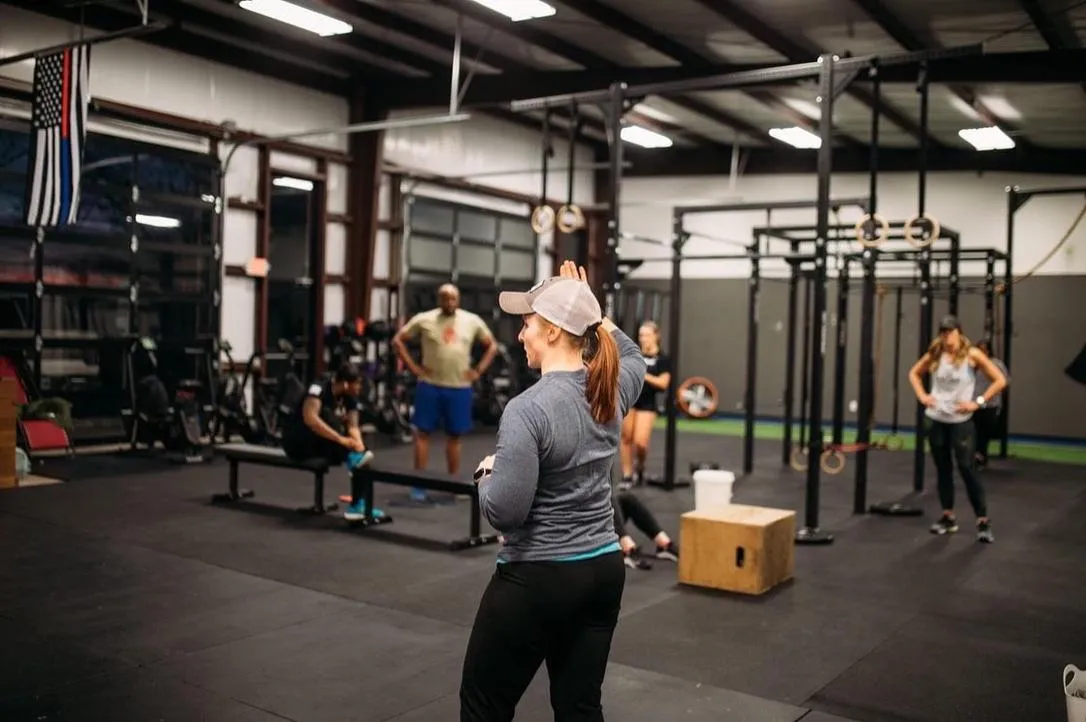
Over the years of coaching athletes and judging CrossFit competitions, I realized the same leadership principles limiting performance in the gym were showing up in organizations every day.
Those experiences shaped far more than my approach to coaching. They continue to shape how I operate today as a Human Performance Consultant.
At first glance, coaching athletes and leading teams seem like two completely different worlds. In reality, they share the same objective: helping people perform at their best.
I've found that the leaders who consistently build healthier cultures, retain great people, and develop high-performing teams do three things differently.
Here are the three leadership shifts I've seen make the biggest difference.
1. Meet People Where They Are Today
One of the biggest mistakes I see in both coaching and leadership is using a cookie-cutter approach to human performance instead of meeting people at their current capacity.
I've seen coaches encourage athletes to increase the weight on an exercise after the athlete had already communicated they weren't feeling their best that day.
On the surface, it can look like confidence in the athlete, but it overlooks one of the most important principles of coaching: today's decisions should be based on today's capacity.
The strongest athletes understand this instinctively. Some days are built for pushing limits. Other days require adjusting the plan so they can continue making progress over time.
I see leaders make the same mistake.
Too often, they manage people based on what someone accomplished last quarter, last year, or even yesterday instead of recognizing that performance is influenced by workload, stress, recovery, competing priorities, and countless other factors.
High-performing people are not machines, and their capacity changes.
Great leaders recognize that reality. They know when to challenge someone and when to adjust the approach so that person can continue performing at a high level over the long term.
Meeting people where they are is not lowering the standard, it's how you help them reach it.
2. Replace Assumptions With Curiosity
Another lesson coaching taught me is that assumptions often create unnecessary barriers to performance.
I've seen coaches withhold information athletes specifically asked for because they assumed the athletes were looking for shortcuts.
In reality, the athlete wasn't looking for less work, he was looking for the guidance he needed to adapt the workout to his current capacity.
Instead of responding to the individual's request, the coach responded to an assumption about the individual's intent.
The same thing happens in organizations every day.
An employee asks for more context, and it's mistaken for uncertainty. Someone asks for flexibility, and it's interpreted as a lack of commitment. A team member asks for additional guidance, and it's viewed as a lack of confidence instead of a desire to do the job well.
Those assumptions create friction that never needed to exist.
The best leaders do something different, they get curious.
As Ted Lasso famously said, "Be curious, not judgmental."
Curiosity helps leaders understand what people actually need instead of reacting to what they assume.
When you respond to assumptions instead of the individual in front of you, you don't improve performance, you create unnecessary friction.
3. Develop People, Don't Just Assign Work
One of the most overlooked responsibilities of leadership is helping people bridge the gap between knowing what to do and being capable of doing it.
I've watched coaches read a workout straight from the whiteboard and explain the intended goal. The workout was clear, the goal was clear, and then it was time to get to work.
What was often missing was the individualized guidance that helps people get there.
There were not always meaningful conversations about how to modify the workout based on an athlete's current abilities, how to develop the skills they did not yet have, or how to take a different path to achieve the same intended outcome.
Organizations often operate the same way.
Leaders explain the project, communicate expectations, and set the deadline. Then they assume everyone has what they need to succeed. The assignment is clear, but clarity alone does not build capability.
The best leaders help people understand how to achieve the goal from where they are today. They coach, teach, and adapt. Most importantly, they recognize that different people need different pathways to reach the same standard.
Anyone can read from a whiteboard, send an email, or assign work.
Great leaders develop people, and that is where capability is built.
Leadership Is About Developing Human Performance
The common thread running through all three lessons is simple, leadership is not about treating everyone the same, but rather about understanding the person in front of you.
It is recognizing that capacity changes, replacing assumptions with curiosity, and helping people build the skills needed to succeed.
When leaders do those three things, they create environments where people can perform consistently, adapt through challenges, and continue growing over time.
Capability, not compliance, is what creates high-performing teams.
Leadership doesn't stop with one article.
Every week I share practical insights on human performance, leadership, and health to help high performers build success without sacrificing their health. If you'd like these lessons delivered straight to your inbox, you can join us